
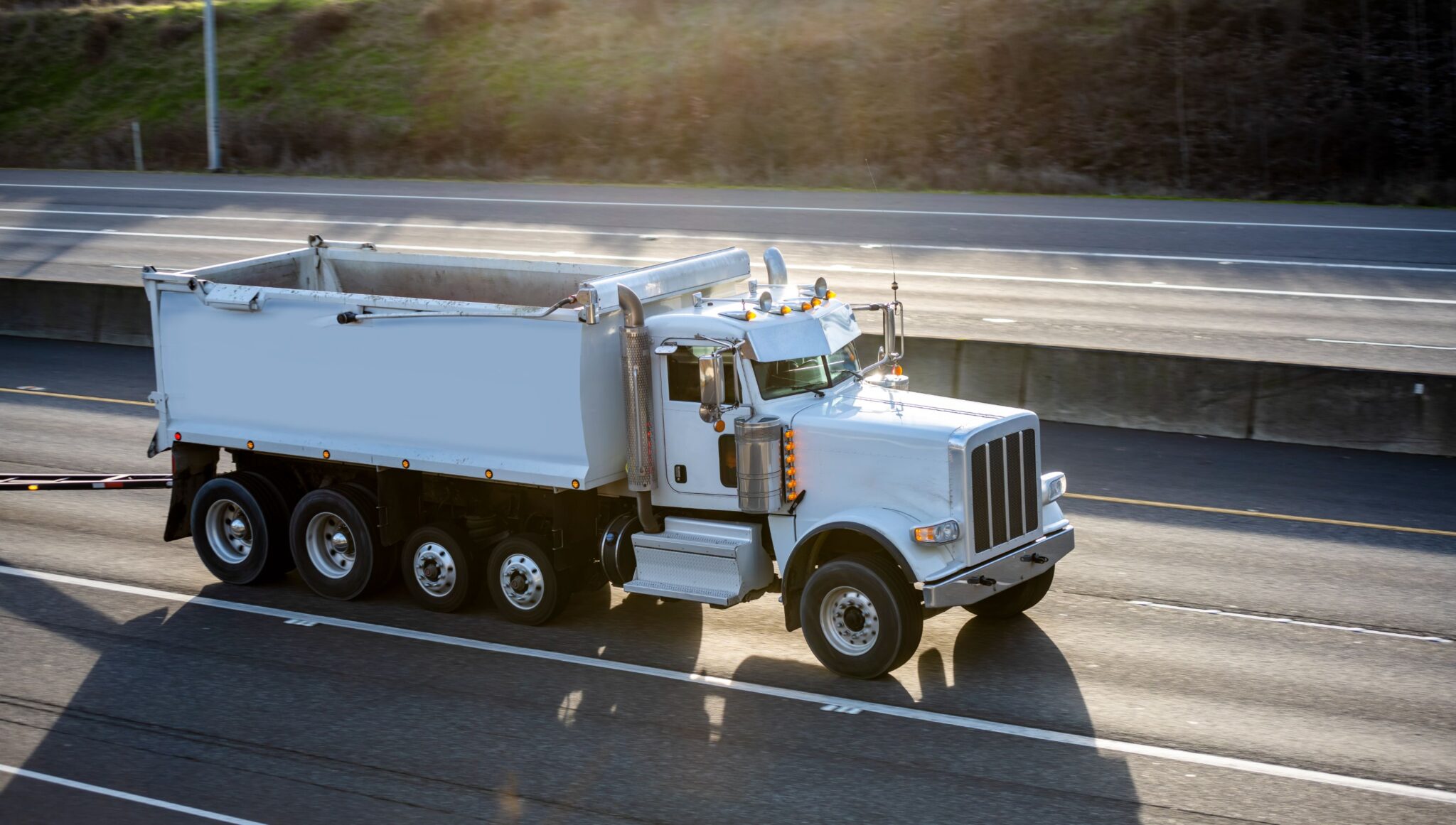
The Role of Dump Truck Dispatching in Construction Projects
Efficient transportation is the backbone of any successful construction project. One essential component of this transportation network is dump truck dispatching. By effectively coordinating the movement of dump trucks, construction companies can ensure materials are delivered and removed on time, keeping projects on track. This process involves planning, scheduling, and managing dump trucks to meet the demands of construction sites, whether it’s hauling dirt, aggregates, or debris.
What is Dump Truck Dispatching?
Dump truck dispatching is the process of coordinating and assigning dump trucks to specific jobs. It involves ensuring that the right trucks are available at the right time, in the right location, and equipped to handle the materials being transported. This process includes tasks such as scheduling, tracking the truck’s progress, and managing routes to avoid delays. An organized dispatching system can significantly reduce downtime, prevent delays, and increase efficiency.
Key Benefits of Efficient Dump Truck Dispatching
Improved Project Efficiency
Effective dispatching ensures that construction sites always have the trucks they need when they need them. This prevents bottlenecks and delays caused by a lack of available trucks. With well-planned routes and timely dispatches, construction teams can focus on their tasks without worrying about transport logistics.
Cost Savings
When dump trucks are dispatched efficiently, the costs associated with idle time, fuel, and late deliveries are minimized. By optimizing truck routes and schedules, companies can reduce operational costs, which ultimately leads to a more profitable project.
Better Resource Management
Dispatching allows companies to allocate their fleet of trucks according to demand. By ensuring that trucks are utilized efficiently, companies avoid overloading or underutilizing their vehicles, which helps maintain a balance in resource management.
How Dump Truck Dispatching Works
Scheduling
Scheduling is one of the primary responsibilities of dump truck dispatching. It involves creating a timeline for when trucks should be at specific job sites to either pick up or deliver materials. An effective schedule keeps operations smooth and ensures there’s no delay in the transportation process.
Real-Time Monitoring and Communication
Tracking trucks in real-time allows dispatchers to manage unforeseen circumstances such as traffic delays or road closures. Modern dispatch systems offer GPS tracking, which helps dispatchers stay informed about the truck’s location and adjust schedules as necessary. Real-time communication between the dispatcher and truck drivers is crucial for solving problems promptly.
Route Optimization
Route optimization is another critical part of dump truck dispatching. Dispatchers use sophisticated software to determine the quickest and most fuel-efficient routes for the trucks. This reduces delays, minimizes fuel consumption, and helps maintain project timelines. Route optimization can also consider factors like road conditions and traffic patterns to ensure smooth transport operations.
The Importance of Choosing the Right Dump Truck Dispatching Service
Choosing the right dump truck dispatching service is essential to ensuring your construction project stays on schedule. A professional dispatching service brings several advantages to the table, including:
Industry Expertise
A team with experience in construction logistics can offer tailored solutions to meet your project’s specific needs.
Flexibility
A reliable dispatching service can quickly adapt to changes in schedules, whether it’s a sudden material delivery or an unexpected truck breakdown.
Compliance
Professional services ensure that all trucks comply with local regulations, including weight limits, safety standards, and environmental rules.
Technology and Tools in Dump Truck Dispatching
GPS Tracking and Dispatch Software
Today’s dump truck dispatching relies heavily on technology. GPS tracking allows real-time monitoring of trucks, while dispatch software enables dispatchers to manage schedules, track job progress, and optimize routes all from a central platform. The integration of these technologies ensures better accuracy and efficiency in truck dispatching.
Fleet Management Systems
Fleet management systems provide insights into the performance and condition of each truck in your fleet. These systems track fuel consumption, maintenance needs, and other important metrics. With this information, dispatchers can make informed decisions about which trucks to deploy, ensuring the fleet is operating at peak efficiency.
Challenges in Dump Truck Dispatching
Despite its importance, dump truck dispatching comes with its challenges. These include:
Unforeseen Delays
Weather conditions, traffic, and road closures can all cause delays, making scheduling and real-time communication even more important.
Fleet Management
Managing a large fleet of trucks can be challenging, especially when it comes to maintenance and ensuring trucks are available when needed.
Regulatory Compliance
Dump truck operators must adhere to local and state regulations regarding weight limits, emissions standards, and more, making it essential for dispatchers to stay updated on these rules.
Efficient Dump Truck Dispatching for Successful Projects
Efficient dump truck dispatching is crucial for keeping construction projects on time and within budget. By ensuring truck availability, optimizing routes, and facilitating smooth communication, dispatching minimizes delays and reduces costs. The right dispatch service also improves resource management, letting construction teams focus on their work. For reliable and efficient dump truck dispatching, contact Logistics First, LLC today to streamline your project logistics.